

Changing Planet
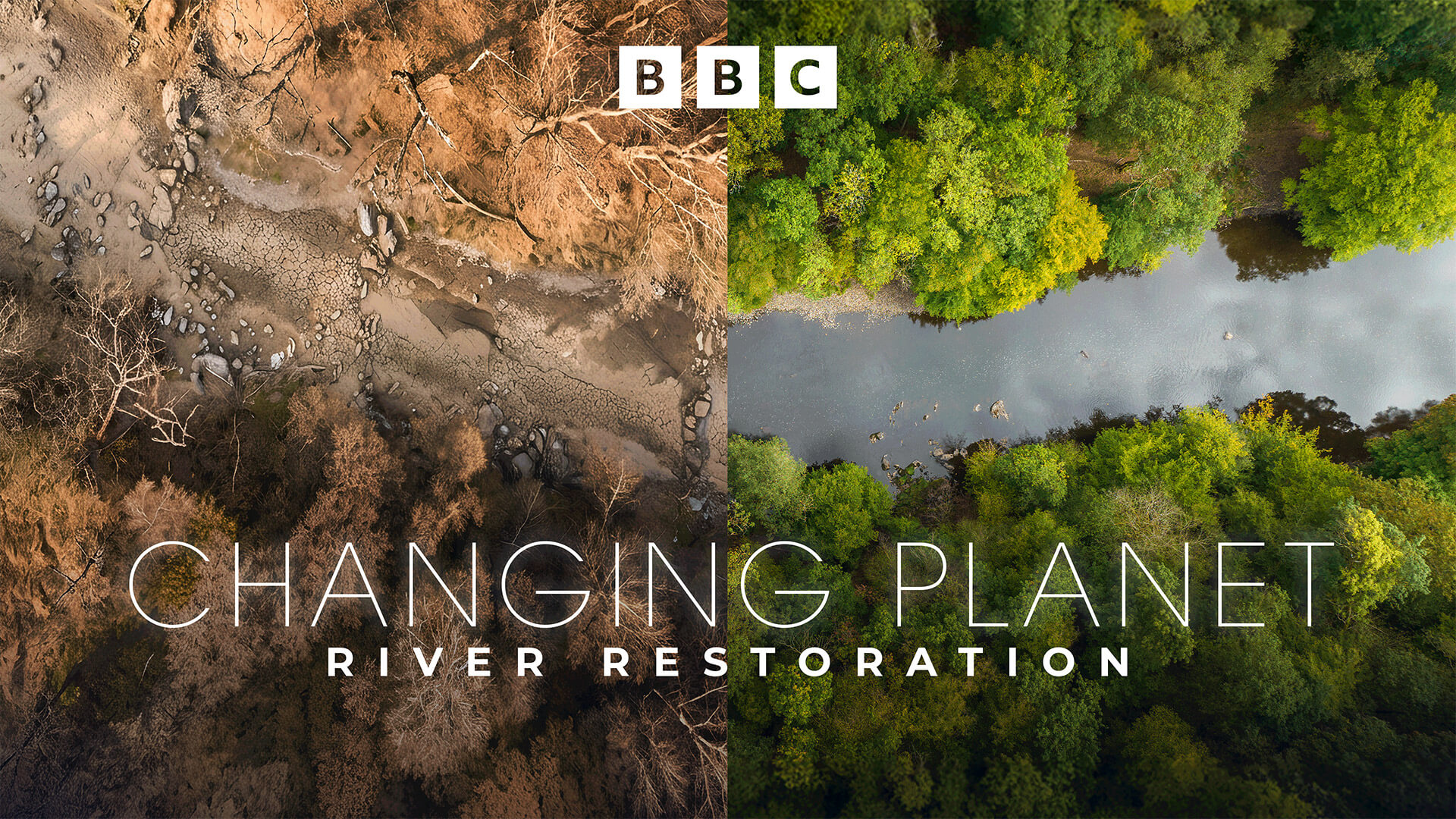
Globally, two billion people rely on rivers for drinking water, and a quarter of the food we eat depends on them. But our rivers are in deep trouble. Pollution, water extraction and huge dams have all taken their toll on freshwater species. As part of the BBC’s Changing Planet project, the team travels to California and France to observe revolutionary schemes designed to help the planet’s rivers.
Watch Changing Planet and more acclaimed documentaries on BBC Select today. Restrictions apply*.

Changing Planet on BBC Select
Changing Planet: Coral Special
The race is on to save the planet’s coral reefs, quickly being destroyed due to climate change. Could these innovative scientists have the answer?
Our coral reefs are at a tipping point. Consecutive bleaching, caused by climate change, are leaving them with challengingly short periods of time to restore themselves. The science community is experimenting with innovative techniques that just may hold the key to saving the coral. Steve Backshall catches up with the scientists who are making groundbreaking discoveries to save the reefs.
Series 2
The team travel to the planet’s most threatened ecosystems to investigate climate change. As the BBC’s ambitious natural history project continues, the team visits vulnerable ecosystems around the planet to report on climate change. The second year of the BBC’s ambitious, seven-year, natural history project sees six presenters visit six of the planet’s most threatened ecosystems to meet the people fighting to restore the earth’s delicate balance. Traveling to the Maldives, California, Greenland, Brazil, Cambodia and Kenya, the team reports on local schemes aimed at tackling climate change and restore local wildlife.
Episode 1: California, Greenland and the Maldives
The team investigate potential climate change solutions in the Maldives, USA and Arctic.
Steve Backshall visits the Maldives, a country facing significant climate challenges. He finds these challenges are galvanising the science community. Liz Bonnin returns to California to investigate some surprising solutions for the onslaught of wildfires. Chris Packham is in Greenland to learn more about the effects of global warming and the rate at which snow and ice are melting in the Arctic.
Episode 2: Brazil, Cambodia and Kenya
Celebrating the experts and communities fighting to rebalance vulnerable habitats.
Gordon Buchanan returns to Brazil and revisits a pioneering project aimed at saving the jaguar and discovers the importance of a healthy ecosystem. Ella Al-Shamahi heads to Cambodia and discovers the reality of our planet’s most exploited resource after water: sand. Ade Adepitan returns to Kenya to report on the devastating effect of rising temperatures and failed rains.
Season 1
A visionary project to document how our planet will evolve in a time of climate crisis. This visionary project documents how our planet will evolve over the next seven years, as we face a pivotal moment in the Earth’s history. This ambitious natural history documentary charts a visionary project to reveal how our planet evolves over the next seven years. Focusing on six vulnerable locations: Iceland, the Amazon, California, Kenya, Maldives and Cambodia, the changes that the local environment and population are experiencing will be documented. Local activists hoping to stem the tide of climate change will be featured.
Episode 1: Iceland, Cambodia and the Maldives
Radical environmental projects in the Maldives, Iceland and Cambodia are explored.
Steve Backshall travels to the Maldives, an area facing significant challenges because of climate change. In Iceland, Chris Packham learns more about the effects of global warming as local sea temperatures rise. Ella Al-Shamahi visits Cambodia in Southeast Asia, an area experiencing increasing economic growth. However, this expansion is putting massive pressure on natural resources.
Episode 2: Brazil, Kenya and California
The team travels to California, Brazil and Kenya to witness the changing climate.
Liz Bonnin travels to California to learn about the increasingly invasive wildfires and visits the Pacific coast where warming seas have brought with them a new resident, great white sharks. Ade Adepitan travels to Kenya to look at the effects rising temperatures are having on the land. Gordon Buchanan discovers a pioneering project in Brazil that is trying to save an iconic predator: the jaguar.
More documentaries you might like...




BBC Select Free Trial
BBC Select is available on Amazon Prime Video Channels and the Apple TV app. Start a 7-day free trial and watch a range of acclaimed documentaries from the BBC and beyond. Restrictions apply*.
