


Civilizations
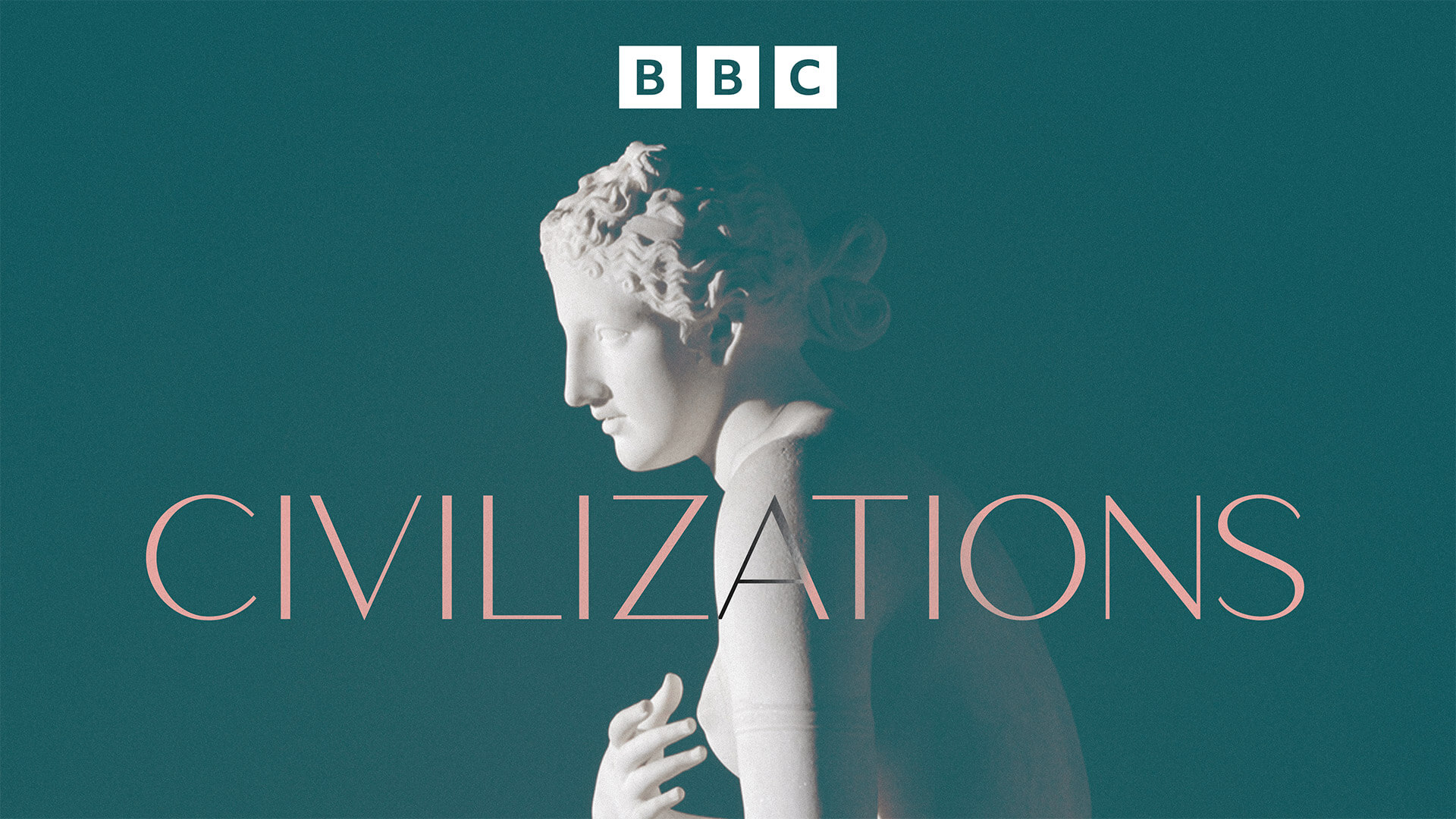
A groundbreaking investigation into the extraordinary role of art and artists in the development of human culture. Leading historians look at how creativity helped form and protect empires and religions and why it proved so powerfully persuasive, so controversial and so intoxicating in shaping great nations. The series also explores why we continue to invest so much time, effort and money in art.
Watch Civilizations and more acclaimed documentaries on BBC Select today. Restrictions apply*.


Civilizations on BBC Select
Episode 1: The Second Moment of Creation
Simon Schama looks at the formative role art has played in the forging of humanity itself.
Historian Simon Schama looks at the formative role art and the creative imagination have played in the forging of humanity itself. He explores the remote origins of human creativity with the first known marks made some 80,000 years ago in South African caves. As time passes and imagination develops, he discovers that all civilizations believe themselves to be immortal, but all are doomed to fail.
Episode 2: How Do We Look?
Mary Beard explores images of the human body in ancient art, from Mexico, Egypt and China.
Professor Mary Beard explores images of the human body in ancient art, from Mexico and Greece to Egypt and China. She seeks answers to fundamental questions at the heart of ideas about civilizations. Why have human beings always made art about themselves and what were these images for? In raising these questions, Mary explores how the way we look can influence our ideas of what is civilized.
Episode 3: Picturing Paradise
Simon Schama explores one of our deepest artistic urges – the depiction of nature.
Simon Schama explores the artistic depiction of nature. He discovers that landscape painting is seldom a straightforward description of the observed natural world. Instead, it is a projection of dreams and idylls, an escape from human turmoil, and a search for paradise on earth. He finds that these imagined paradises, in Islamic and western art, were often responses to loss and absence.
Episode 4: The Eye of Faith
Mary Beard explores how, and at what cost, different religions make the unseen visible.
Mary Beard explores the controversial, sometimes dangerous, topic of religion and art. Art has always inspired religion as much as religion has inspired art. Yet there are fundamental problems, which all religions share, in making the divine visible in the human world, treading a careful line between glorifying gods in images and blaspheming. How, and at what cost, do you make the unseen seen?
Episode 5: The Triumph of Art
Simon Schama examines how traditions developed in the years following the Renaissance.
Think Renaissance and you think of Italy. But in the 15th and 16th centuries, the great Islamic empires experienced their own extraordinary cultural flowering. The two phenomena did not unfold in separate artistic universes. They were conscious of, and in competition with, each other. Simon Schama explores these connections and rivalries and examines how art developed in the years that followed.
Episode 6: First Contact
David Olusoga shows how art was always on the frontline when distant cultures met.
In the 15th and 16th centuries distant and disparate cultures met, often for the first time. These encounters provoked wonder, awe, bafflement and fear. And, as historian David Olusoga shows, art was always on the frontline. Each cultural contact at this time left a mark on both sides. Some showed a mutual respect and understanding. While others reflected the brutal aspects of empire and conquest.
Episode 7: Radiance
Simon Schama looks at color and civilization, from Gothic cathedrals to Japanese prints.
Simon Schama starts his meditation on color and civilization with the great Gothic cathedrals of Amiens and Chartres. He then moves to 16th-century Venice, where masterpieces by Bellini and Titian contested the assumption that drawing would always be superior to coloring. But he finds that if light and color could open the gates of ecstasy, it could also drop art into the abyss.
Episode 8: The Cult of Progress
David Olusoga explores the differing artistic reaction to imperialism in the 19th century.
David Olusoga explores the artistic reaction to imperialism in the 19th century. Advances in knowledge and technology during the Enlightenment and Industrial Revolution imbued Europeans with a sense of their civilization’s superiority. It justified their imperial ideology. But it created among artists deep fascinations with other civilizations which in turn produced a skepticism about their own.
Episode 9: The Vital Spark
Simon Schama explores the fate of creativity in the machine and profit-driven world.
Simon Schama explores the fate of art in the machine and profit-driven world, looking at the rise of art as a tradeable commodity. He explores if culture should create a realm separate from the modern world, a place where we can escape and pull the ladder up after us? Or if it should it plunge headlong into the chaos and cacophony around us, while transforming the way we see it and live in it?
More documentaries you might like...



BBC Select Free Trial
BBC Select is available on Amazon Prime Video Channels, the Apple TV app and The Roku Channel. Start a 7-day free trial and watch a range of acclaimed documentaries from the BBC and beyond. Restrictions apply*.