


Art That Made Us
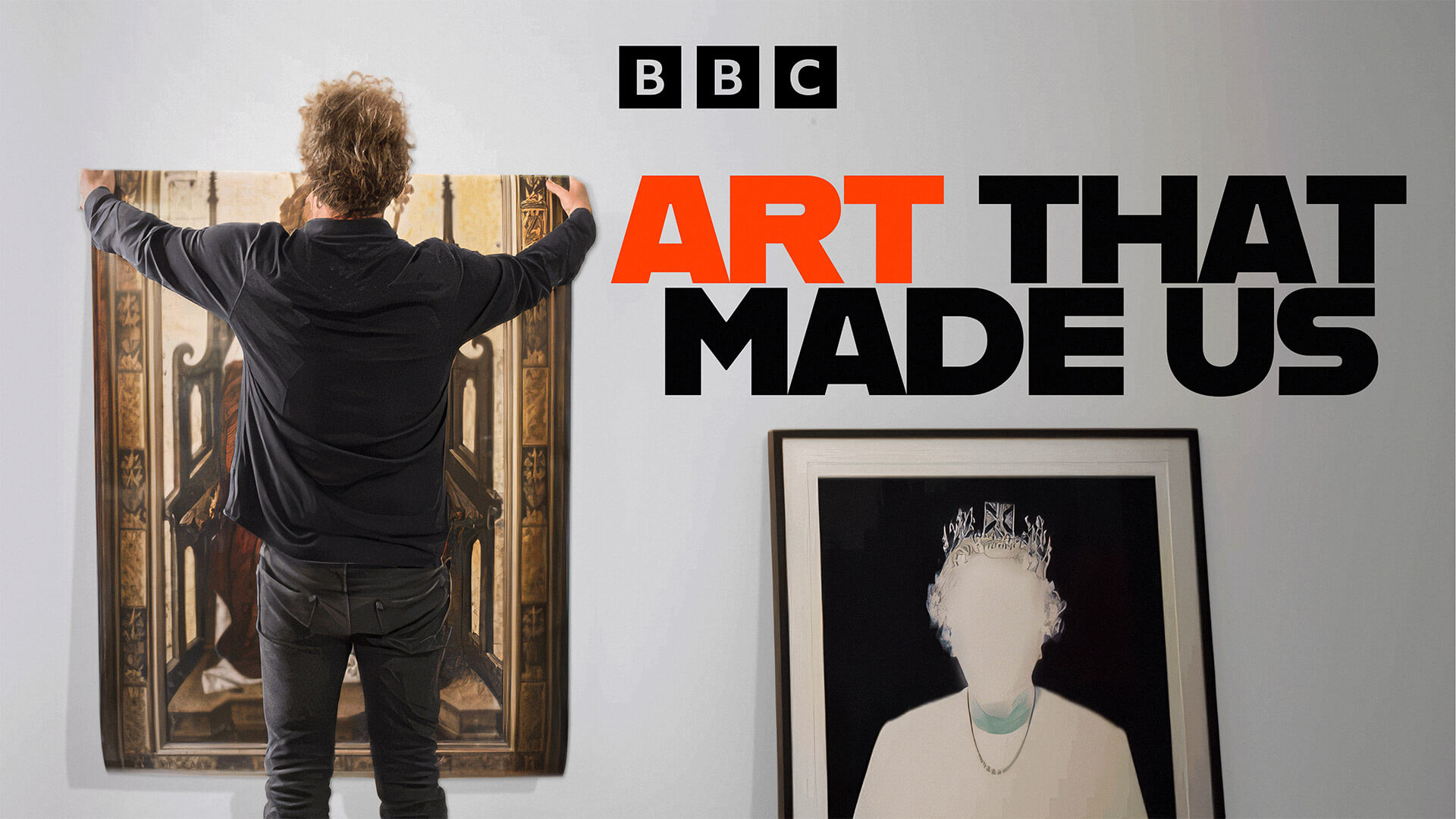
This ambitious series reveals how art has shaped the diverse story of the British Isles. From warrior tales of medieval Welsh resistance through to Stormzy’s iconic Glastonbury headline show, the entire history of the nation is explored through its artworks and the creative minds behind them. Contemporary artists revisit pieces from the past and find inspiration for their own creative pursuits.
Watch Art That Made Us and more acclaimed documentaries on BBC Select today. Restrictions apply*.


Art That Made Us on BBC Select
Episode 1: Lights in the Darkness
The era known as the ‘dark’ ages created mysterious art that still haunts the imagination.
The turbulent era that followed the Roman occupation of Britain was once known as the ‘dark’ ages. But in reality, it was a time of glittering art and extraordinary cultural fusions. Celtic, Anglo-Saxon and Norse peoples fought for supremacy, leaving behind mysterious fragments of art that still haunt our landscapes and imagination, from strange sculptural forms to epic poems.
Episode 2: Revolution of the Dead
From the chaos of the plague came creative renewal with survivors finding their voice.
Contemporary artists, performers and historians, reveal how a century of creative renewal emerged from the chaos of plague, as survivors found their voice, questioning authority and challenging status and class. A literary tradition was established with works including Chaucer’s Canterbury Tales, the satire The Vision of Piers Plowman and breakthrough works by visionary women like Margery Kempe.
Episode 3: Queens, Feuds and Faith
During Elizabeth I’s reign, art was used to wage a battle for power in the British Isles.
In the 16th century, the British Isles experienced a religious revolution, as the kingdoms of England and then Scotland, turned Protestant. Contemporary artists and experts reveal how, during the reign of Elizabeth I, Protestants and Catholics used art, language and new technology to wage a battle for power in Britain, creating surprising and often radical works.
Episode 4: To Kill a King
A splintering of politics and religion leads to radical, questioning art in Britain.
A splintering of politics and religion in the British Isles under the Stuart kings led to more questioning art, new science and architecture. The battle between royalist and parliamentary forces brought bloodshed but also inspired work such as John Milton’ s daring Paradise Lost. But it is in the rise of a more scientific mindset that creativity would find its greatest expression.
Episode 5: Consumers and Conscience
In the 18th century, trade and conquest funds an explosion of creativity and art.
During the 18th century, Britain saw an explosion of creativity, with enough money, from trade and conquest, to pay for it. But the money had a dark side, with much of this cultural explosion funded by the slave trade. This age of exploitation was also stirring up a growing social conscience, with artistic works expressing protest and the inventing forms such as the biting political cartoon.
Episode 6: Rise of the Cities
Victorian artists responded to the social upheaval created by the industrial revolution. The 19th century saw a decisive shift in power from the countryside to the cities. With the industrial revolution transforming the British Isles, a divide opened up between the urban and the rural, forcing artists to respond to the upheaval of lives and landscape. Some artists attempted to capture the poverty and squalor caused by the rapid urbanization around them, creating unforgettable works.
Episode 7: Wars and Peace
Wars force artists to grapple with destruction and savagery, challenging conventions.
Art went to war during the first half of the 20th century. This wasn’t simply a response to the horrors of two world wars, but a war with the old imperial order, a war with convention and even a war with the very idea of what it means to be human. This is the story of artists grappling with destruction and slaughter, fighting back and transforming the culture of the British Isles.
Episode 8: Brilliant Isles
An explosion of new voices from across Britain creates a richer, more diverse culture.
In the 1950s and 1960s, the generation of artists who recorded the shocks of global war gave way to an explosion of new voices from across the British Isles, reinventing the arts and creating a richer, more diverse culture. Young artists rebelled against the old establishment, kicking against the confines of class, sex, nation and race. Soon a new British identity swept the globe.
More documentaries you might like...



BBC Select Free Trial
BBC Select is available on Amazon Prime Video Channels, the Apple TV app and The Roku Channel. Start a 7-day free trial and watch a range of acclaimed documentaries from the BBC and beyond. Restrictions apply*.